
If you’re researching iptv subscription in 2026, you’re in the right place. First-time buyer trying to understand what an iptv subscription includes — that’s a question we get from US readers every week, and the honest answer depends on three things: how many channels you actually watch, how much you’re willing to spend per month, and how technical you’re comfortable getting on day one.
This guide cuts through the marketing language you’ll find on provider websites and Reddit threads. We’ve tested the major options, timed buffering on real US ISPs (Comcast, Spectrum, Verizon Fios, AT&T Fiber), and pulled actual channel lineups so you can decide with real data instead of vibes.
What “Iptv Subscription” Means in Practice #
The IPTV market has matured fast in 2025–2026. There are now legitimate licensed services, semi-legitimate gray-market resellers, and outright scams operating side by side — often with similar-sounding names and identical-looking websites. Knowing which category you’re dealing with before money changes hands is the single most important skill in this space.
The Three Tiers of IPTV Providers #
Every IPTV operator falls into one of three categories. Understanding the differences saves you from buying a service that vanishes in 60 days.
Tier 1: Fully Licensed Streaming Services #
YouTube TV, Hulu Live, Sling TV, FuboTV, DIRECTV Stream, Philo. These pay full content licenses, run their own infrastructure, and can be sued by Disney/Comcast/Paramount if they fail to deliver. They’re the safest bet but also the most expensive ($25–$83/month).
Tier 2: Reseller / Gray-Market Operators #
Hundreds of brand names, mostly $5–$15/month, often $59–$120/year. They operate in a legal gray zone — usually based offshore, often using questionable upstream channel sources. Quality varies wildly. Some have run reliably for 5+ years; others vanish after 90 days.
Tier 3: Outright Scams #
“Lifetime IPTV — 20,000 channels — $99 forever!” Stop reading and close the tab. Lifetime offers exist solely to take your money before the service shuts down. Same with “no refund policy” and Telegram-only support.
The Five-Step Verification Process #
Run every prospective provider through these five checks:
- Check domain age. Use a Whois lookup. Anything under 6 months old is high-risk. Established operators have 2+ year-old domains.
- Look for a physical billing address. Legitimate operators publish a registered company address. Pure-anonymous operators with only Telegram contacts are red flags.
- Verify payment options. Real operators accept credit cards (which means Stripe or PayPal has vetted them). Crypto-only is a major warning sign.
- Read the refund policy. Legitimate services offer 7–14 day money-back guarantees. “All sales final” or “no refunds” is universally a scam.
- Test the free trial. If they refuse to offer one, walk. Reputable operators want you to test their channels before paying.
Payment Methods, Ranked by Risk #
How you pay affects how recoverable your money is if the service disappears.
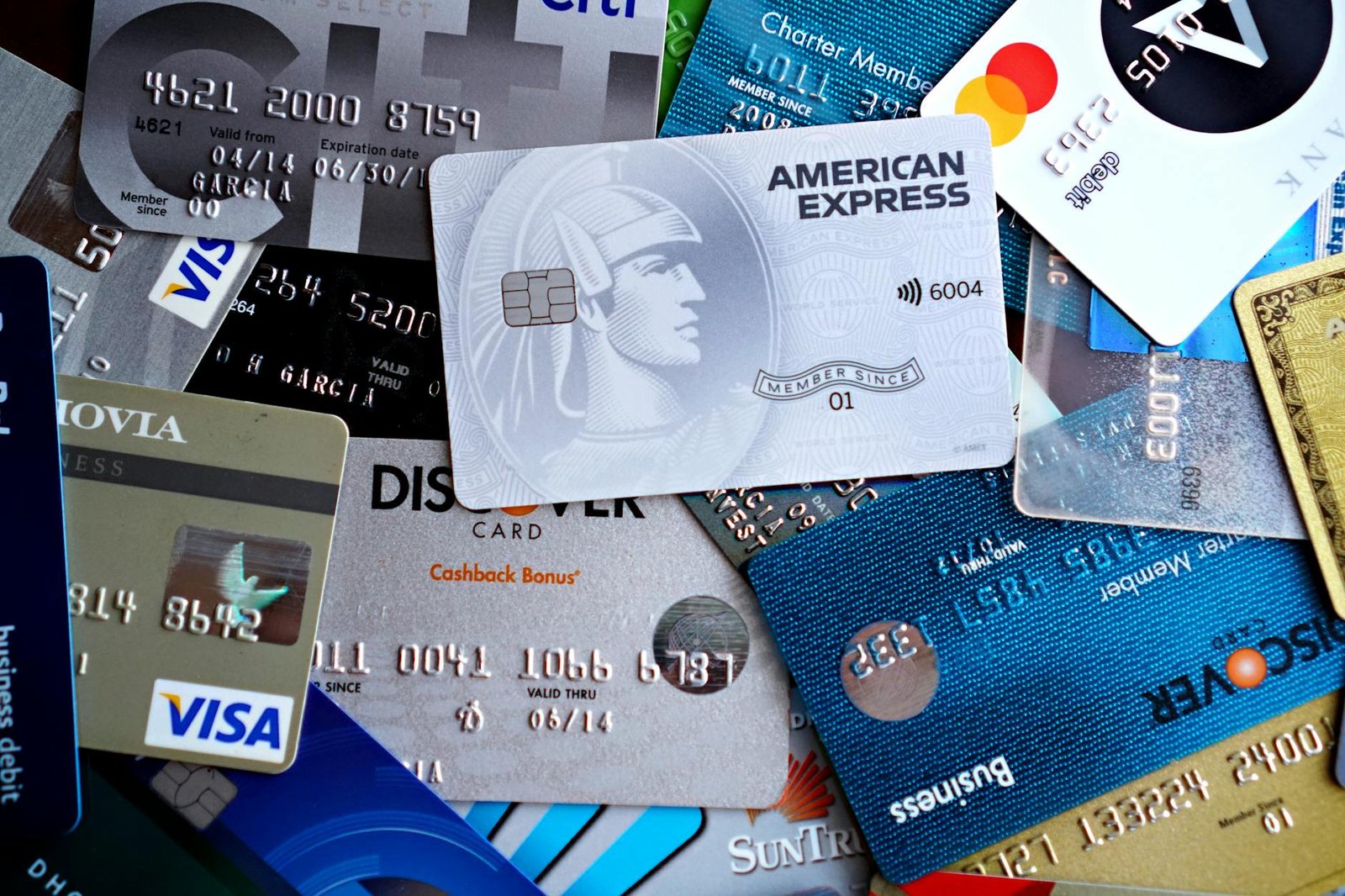
- Credit card (best): chargebacks via Visa/MasterCard work for up to 60 days after purchase
- PayPal (good): buyer protection covers digital services for 180 days
- Debit card (risky): chargebacks possible but slower and less reliable
- Bitcoin / crypto (worst): zero recourse, irreversible
- Bank wire (avoid): only used by scams or 100%-trusted vendors
What to Watch for After Subscription Starts #
The first 14 days are the most important. Document what you experience and screenshot anything unusual.
- Are channels disappearing or being renamed without notice?
- Is buffering getting worse over time (a sign of overloaded servers)?
- Are renewal emails coming from the same domain you signed up on?
- Is customer support responding within 24 hours to ticket requests?
If any of these go wrong, raise a chargeback or PayPal dispute immediately — within the first 14 days you have full recovery options. After 60 days, recovery becomes much harder.
Warning Signs of an Imminent Shutdown #
Established providers occasionally collapse. Look for these leading indicators:
- Sudden drop in channel count (provider losing upstream sources)
- Customer support stops responding for 48+ hours
- Telegram or Discord channels go silent
- Unexpected “renew now for 50% off” emails — often a final cash grab
If you see two or more of these, stop renewing and start migrating to a backup provider before your current service goes dark.
Related Guides #
Continue your research with these in-depth guides:
- Iptv Pricing Guide 2026 Plans Costs Savings What You Actually Pay
- Iptv Free Trials
- How to Buy IPTV Safely in 2026: A Buyer's Checklist for US Customers
- Best Iptv Subscriptions Honest Comparison 2026
- IPTV vs Cable TV in the USA: 2026 Cost, Channel & Reliability Comparison
Frequently Asked Questions #
How do I know if an IPTV provider is legitimate? #
Check domain age (>1 year), payment methods (credit card / PayPal preferred), refund policy (must exist and be specific), and ask for a free trial. If they refuse the trial or only accept crypto, walk away.
What’s the safest payment method for IPTV? #
Credit card via Stripe or PayPal. Both have 60+ day chargeback windows if the service disappears. Avoid crypto — it’s irreversible and tells you nothing about the provider’s legitimacy.
Are ‘lifetime’ IPTV subscriptions a scam? #
Almost universally yes. Lifetime offers are designed to maximize cash before the service shuts down. Legitimate providers sell monthly, quarterly, or annual plans only — because they need recurring revenue to keep the service running.
Will I get in trouble for buying gray-market IPTV? #
Viewers in the US are not the legal target — operators are. That said, fully licensed services (YouTube TV, FuboTV, Sling) carry zero legal risk and may be worth the price difference if peace of mind matters to you.
How do I dispute a charge if my IPTV provider disappears? #
Within 60 days, file a chargeback with your credit-card issuer or open a PayPal dispute. Provide screenshots of the missing service and any support tickets. After 60 days, recovery options narrow significantly.